
Guide · Russian balayage

Russian balayage explained.

The Russian school of blonde — technique, difference, result.

Russian balayage is more than a trend. The technique comes from Russian colour schools and uses particularly precise hand-painting plus tonal layering — for a blonde with depth, shine and a glass-like finish.

In this guide, Katja explains what really defines Russian balayage, how it differs from classic balayage, who it suits and what to expect at the appointment.
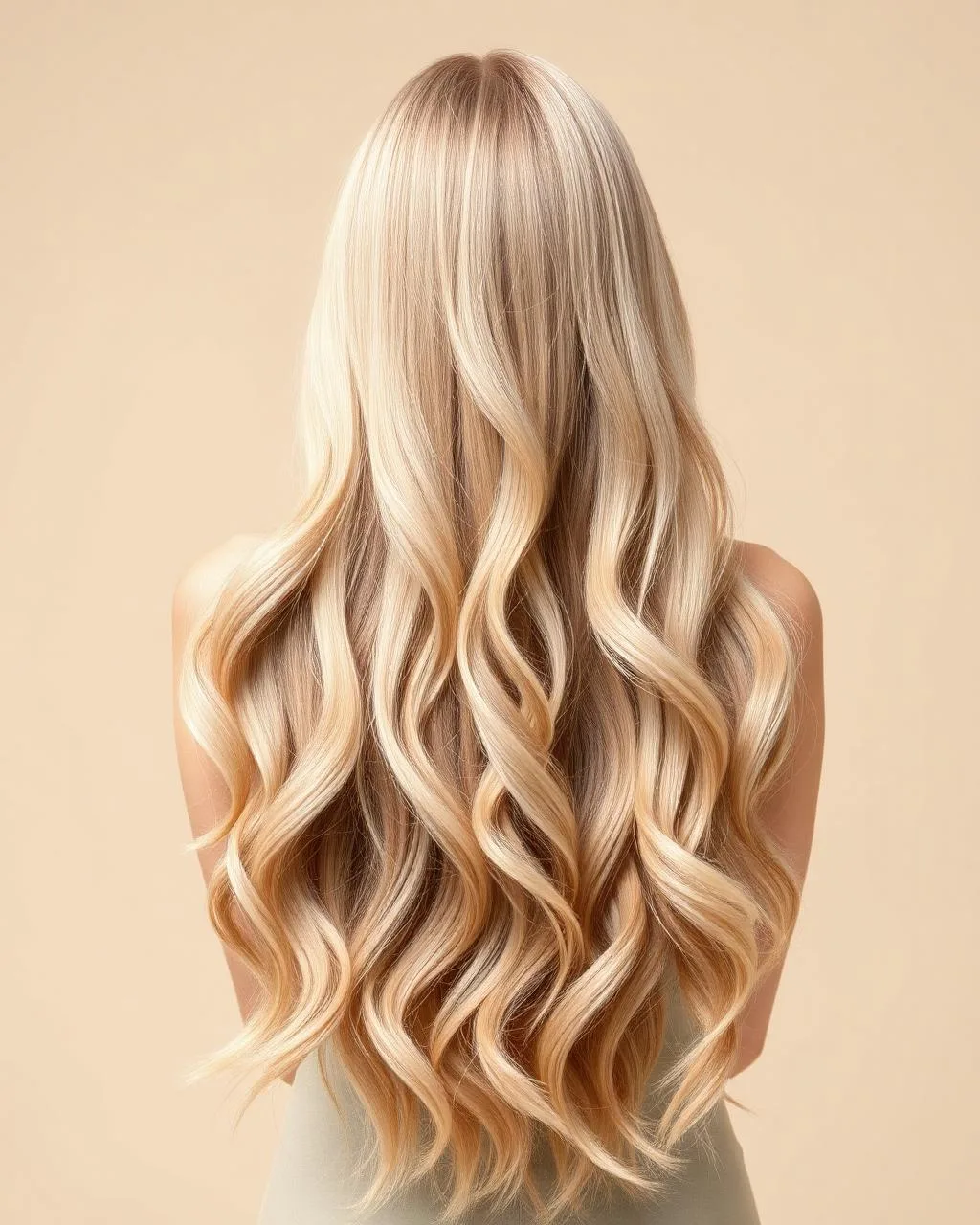
  • Precise hand-painting technique
  • Tonal layering, not flat lifting
  • Glass-like shine
  • Multidimensional blonde with depth
  • Gentle through focused placement
  • Consultation in EN · DE · RU
Russian balayage guide

Why Blonde by Katja

Why Russian balayage is the highest blonde discipline.

01

Multidimensionality

Instead of simple brightness you get a multi-layered blonde — light, mid and deeper tones playing together.

02

Glass effect

Cleanly placed layers reflect light evenly — that's where the typical expensive, polished look comes from.

03

Russian school

Katja has trained in Russian colour methodology. The technique isn't widely offered in Cyprus.

Frequently asked

Answers to what you want to know.

What is Russian balayage?
A refined balayage technique developed in Russian colour schools. It uses very precise hand-painting and tonal layering to create a luminous, multidimensional blonde without harsh contrast.
How is it different from classic balayage?
Classic balayage is freehand and lived-in. Russian balayage is more structured: each section is built up in fine layers for a polished, glass-like finish.
Who does Russian balayage suit?
Anyone who wants a sophisticated, expensive-looking blonde with depth and shine. Especially flattering on mid-length to long hair.
Does it damage the hair more?
Not when done properly. The technique focuses on placement and layering rather than aggressive lifting — bond protection is included.

Ready?

Let's plan your blond.

Atelier Pyramou 2 · Paphos · book via WhatsApp or contact form.